
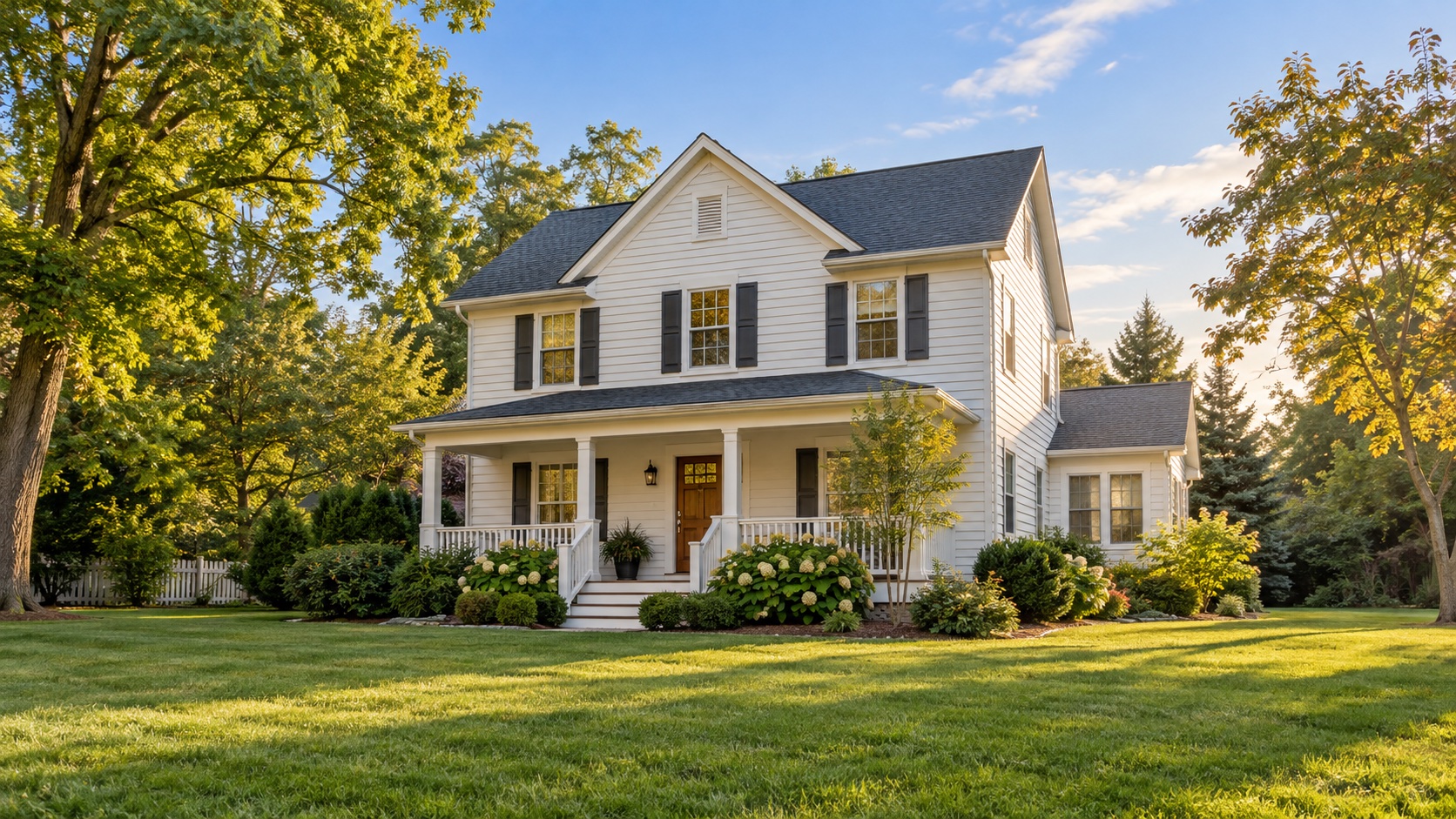
A similar price does not mean the same protection
A home insurance quote is easy to reduce to one number: the annual premium. But the number tells you what the policy costs, not everything it can do for you. Even quotes with the same dwelling limit can contain different deductibles, exclusions, settlement terms, and optional coverages.
Think about the situations you would want help with: a storm damages your roof, water backs up into a finished basement, or a buried pipe fails beneath your yard. Before choosing a policy, ask how each of those situations would be handled. A useful comparison starts with the coverage you want, then considers the price.
Start with the house and how a claim would be settled
Review the amount available to rebuild your home, the method used to estimate that amount, and any additional rebuilding protection. Your purchase price includes land and reflects the real estate market; rebuilding involves different costs. Tell your agent about renovations, additions, and upgraded materials so the estimate reflects your home.
Then ask about the roof specifically. Does the policy settle an eligible roof loss at replacement cost, actual cash value, or under an age-based payment schedule? Actual cash value generally accounts for depreciation. A replacement-cost provision may require completed repairs before the insurer releases the remaining eligible payment. Conditions, deadlines, and limits matter.
Ask for a written example using your roof’s age and material. Also check whether wind or hail has a separate deductible and whether cosmetic damage is excluded. Replacement-cost coverage does not mean every roof problem is covered: the cause of loss still has to qualify under the policy.
Water damage is a coverage question, not one single category
A sudden plumbing leak, a sewer backup, and a flood can leave similar damage but involve different insurance provisions. Ask your agent to explain each separately. A policy may cover resulting damage from a qualifying sudden leak while excluding the worn-out component that caused it.
Sewer or drain backup and sump overflow protection may require an endorsement with its own limit. Consider the space at risk: a finished basement with flooring, furniture, and stored belongings creates a different exposure than an unfinished utility room. Check what the endorsement covers and how its deductible applies.
Flood insurance is a separate conversation. Do not assume adding water-backup coverage also protects against surface flooding. Review the source of the water and the applicable policy language before drawing a coverage conclusion.
Look at how your belongings are protected
The total personal-property limit is only part of the picture. Ask whether eligible belongings are settled at actual cash value or replacement cost, and what steps are needed to collect replacement-cost benefits. Keep an updated inventory with photos and receipts for significant purchases.
Jewelry, collections, and certain other possessions can have special limits, particularly for theft. Bring a list of your valuable items to the review and ask whether scheduling them separately makes sense. If you use equipment for work or store business property at home, mention that too; a homeowners policy may not address it the way you expect.
Do not overlook what is buried in the yard
Underground water, sewer, or other utility connections may be your responsibility even though you rarely see them. Service-line coverage can be an optional endorsement rather than part of the base homeowners policy. Its definition of an eligible line, covered causes of failure, limit, and deductible should all be reviewed.
Some service-line endorsements cover qualifying failures caused by wear and tear, corrosion, or deterioration. Others restrict those causes. Even when wear and tear is included, preventive replacement of a functioning old line is not automatically covered; the endorsement’s failure or damage requirements still apply.
Compare deductibles and the extras that fit your home
Write down every applicable deductible, including percentage deductibles. For example, a 2% wind deductible applied to a $400,000 dwelling limit would be $8,000. That is a hypothetical calculation, not a quote or a universal policy rule. Ask which insured value the percentage uses and when it applies.
Other questions worth raising include building-code upgrades after a covered loss, additional living expenses if your home becomes unlivable, equipment breakdown, and liability protection. Check each option’s conditions rather than assuming an endorsement makes coverage unlimited. Your home’s construction, household activities, and ability to absorb an unexpected bill help determine which details deserve attention.
Bring the right questions to your coverage review
Ask your agent: What changed between these quotes? How would my roof claim be paid? What water-related losses are excluded? Which limits apply to my valuables? Are underground service lines included, and what triggers a claim? What would I pay out of pocket?
Bring your current declarations page, available endorsement forms, roof details, and renovation history. Request the proposed coverage terms in writing so you can compare them while the decision is still ahead of you.
Sonon Insurance can help you review available homeowners options and connect the policy details to your home. A thoughtful comparison can help you find a price that works for your budget while understanding the protection you are buying.
Frequently asked questions
Can two policies with the same dwelling limit provide different coverage?
Yes. Settlement terms, deductibles, exclusions, special limits, and endorsements can differ even when the dwelling limit matches. Compare the policy forms and proposed endorsements as well as the premium.
Does replacement-cost coverage pay for every roof replacement?
No. The roof must have a covered loss, and policy conditions, limits, and deductibles still apply. Age, material, settlement provisions, and repair requirements can affect payment.
Is underground service line coverage included automatically?
Do not assume it is. It may be an optional endorsement. Confirm it appears on your policy and review eligible lines, covered causes of failure, the limit, and the deductible.
Helpful resources
Coverage, eligibility, and plan terms vary by carrier and state. This article is general information, not a promise of coverage or individualized financial advice.