
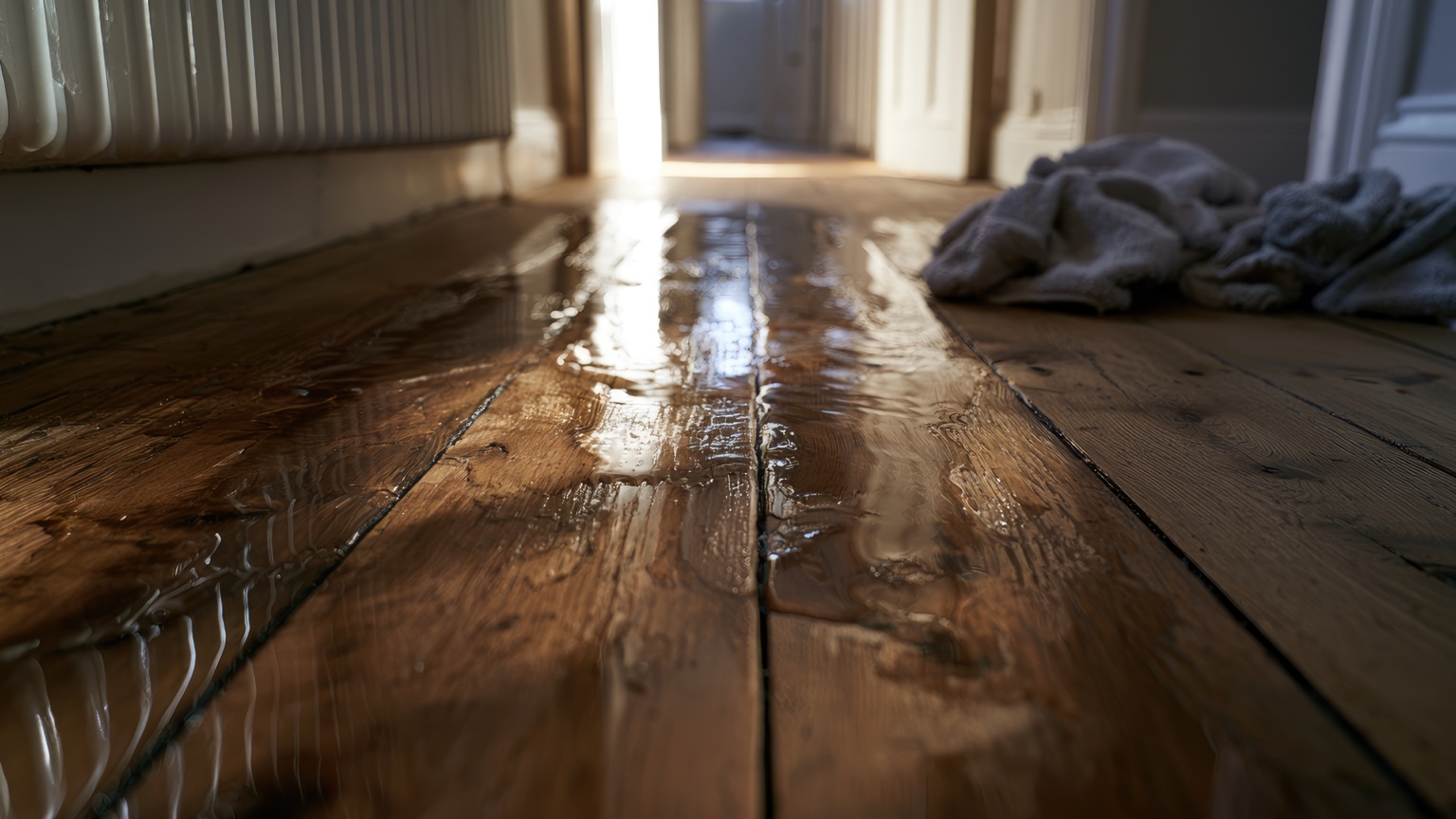
The short answer
Homeowners insurance may cover sudden and accidental water damage caused by a covered event, such as a pipe that unexpectedly bursts or an appliance supply line that suddenly fails. It generally does not cover flooding, groundwater, repeated seepage, or damage caused by long-term leaks, deterioration, or neglected maintenance.
Where the water came from, how quickly the problem developed, and why it happened are often more important than the fact that the damage is wet. Two losses that leave nearly identical floors and walls can have very different coverage outcomes.
Every claim is governed by the policy's definitions, covered causes of loss, exclusions, endorsements, limits, deductible, and the facts documented during the investigation. This guide describes common patterns, not a promise that a particular claim will be paid.
Sudden and accidental water damage
A standard homeowners policy commonly may respond when water is released suddenly and accidentally from a plumbing, heating, air-conditioning, sprinkler, or household-appliance system. Examples can include a burst pipe, a washing-machine hose that unexpectedly breaks, or a water heater that ruptures.
Coverage may include resulting damage to drywall, flooring, cabinets, insulation, furniture, and other insured property, subject to the deductible and limits. The policy may also help pay reasonable costs to tear out and replace part of the building needed to reach a covered plumbing failure. It may not pay to repair the worn pipe, appliance, or component that caused the loss.
Damage prevention still matters. Policies generally require the insured to take reasonable steps to protect the property after a loss, and special restrictions may apply when a home is vacant, unoccupied, or not properly heated.
Gradual leaks and maintenance problems
Water damage that develops over weeks, months, or years is commonly excluded because insurance is designed for fortuitous losses, not ongoing maintenance. Slow seepage behind a shower, a roof that has deteriorated over time, repeated plumbing drips, failed caulking, and rot around an old window may fall into this category.
The visible date is not necessarily the date the damage began. A stain discovered today may reflect a long-running condition. An adjuster may review moisture patterns, staining, corrosion, mold, rot, maintenance history, repair records, and photographs to determine how the loss developed.
Fix small leaks promptly, retain repair invoices, and inspect roofs, plumbing connections, appliance hoses, sump systems, and areas around tubs and showers. Maintenance does not guarantee coverage, but it reduces loss severity and helps document how the home was cared for.
Roof leaks, rain, and storm damage
When wind, hail, or another covered event damages a roof and rain enters through the opening, the resulting interior water damage may be covered. The outcome can differ when rain enters because the roof was worn out, improperly maintained, or already leaking.
A policy may pay for covered resulting damage while excluding the failed or deteriorated material that allowed the water to enter. Roof age, cosmetic-damage limitations, wind or hurricane deductibles, matching provisions, and actual-cash-value endorsements can also affect the settlement.
After a storm, photograph the exterior and interior damage from a safe location, make reasonable temporary repairs such as tarping when safe, and keep receipts. Do not climb onto a damaged or wet roof.
Sewer backup and sump-pump overflow
Water or sewage that backs up through a sewer or drain, or overflows from a sump, is commonly excluded or tightly limited unless the policy includes a water-backup endorsement. This coverage is separate from flood insurance and often has its own limit and deductible.
Review the endorsement carefully. Ask whether it covers building damage, personal property, cleanup, bacteria remediation, and loss of use; whether the limit is enough for a finished basement; and how it treats a backup that occurs at the same time as surface flooding.
A backwater valve, maintained sump pump, battery backup, water alarm, and properly directed downspouts can reduce the risk, but they do not replace appropriate coverage.
Floodwater is a separate risk
Standard homeowners and renters policies generally do not cover flood damage. Flood can include water from overflowing inland or tidal waters, unusual and rapid accumulation of surface water, or mudflow as defined by a flood policy. Heavy rain flowing across the ground into a home is therefore treated differently from a pipe bursting inside it.
Flood insurance is purchased separately through the National Flood Insurance Program or a private insurer. Building and contents coverage, waiting periods, deductibles, limits, and settlement provisions differ, so review both the homeowners and flood policies together.
Flood risk is not limited to properties shown in the highest-risk zones. The Pennsylvania Insurance Department notes that every county in the state has experienced destructive flooding. Sonon Insurance can help compare available flood options with your home coverage.
What to do after water damage
Protect people first. Avoid standing water near electrical sources and shut off electricity or water only when it is safe. Stop the active source if possible, call emergency services or a qualified professional when needed, and notify the insurer promptly.
Photograph and video the source, water line, affected rooms, damaged property, and cleanup before items are moved. Take reasonable steps to prevent additional damage, but do not make permanent repairs or discard important evidence until the insurer provides instructions. Keep damaged items when practical, save receipts, and maintain a record of calls, estimates, drying work, and temporary living expenses.
A current home inventory can speed documentation of damaged belongings. After the immediate loss, review whether your policy includes water backup, replacement-cost coverage for contents, adequate loss-of-use limits, and separate flood protection.
How common water losses may be treated
Use this comparison to identify the questions to ask. Actual coverage depends on the policy, endorsements, cause, and claim facts.
| Water event | How coverage may respond | What to check |
|---|---|---|
| Burst pipe or appliance hose | Resulting damage may be covered when the release is sudden and accidental | The failed pipe or appliance itself, deductible, vacancy restrictions, and mitigation duties |
| Storm-created roof opening | Interior water damage and covered roof damage may be insured | Wear and tear, old-roof settlement terms, wind deductibles, and maintenance exclusions |
| Sewer, drain, or sump backup | May be covered by an optional water-backup endorsement | Separate limits, deductibles, finished-basement exposure, and concurrent flooding |
| Surface water or overflowing waterway | Generally requires separate flood insurance | Waiting periods, building versus contents limits, basements, and flood-policy exclusions |
| Slow or repeated leak | Some resulting damage may receive limited consideration depending on policy wording and discovery | Repeated seepage, deterioration, rot, corrosion, and neglected maintenance |
| Mold after water damage | Limited remediation may apply when caused by a covered loss | Mold sublimits, exclusions, testing rules, flood, humidity, and long-term moisture |
Frequently asked questions
Does homeowners insurance cover a burst pipe?
It often may cover sudden and accidental water damage resulting from a burst pipe, subject to the deductible, limits, exclusions, and policy conditions. Repair of the failed pipe itself may not be covered.
Does homeowners insurance cover a leaking roof?
It may cover resulting interior damage when a covered event such as wind creates the opening. Damage tied to wear, age, deterioration, or poor maintenance is commonly excluded or settled differently.
Is water backup the same as flood insurance?
No. A water-backup endorsement generally addresses water or sewage backing up through drains or overflowing from a sump. Flood insurance addresses defined flooding and surface-water events under a separate policy.
Does homeowners insurance cover water damage from rain?
It depends on how the rain entered. Wind-driven rain entering through sudden covered storm damage may be treated differently from surface water entering at ground level or rain entering through a worn roof.
Will homeowners insurance pay for mold after a leak?
Coverage varies. Limited mold remediation may apply when the mold results from a covered sudden loss, but exclusions, sublimits, and restrictions are common, especially for gradual moisture or flooding.
Should I file a claim for water damage?
Report an emergency promptly and review the estimated covered damage, deductible, policy terms, and claim-reporting duties. Your agent or insurer can help explain the process, but only the insurer can decide coverage after investigating the loss.
Helpful resources
- NAIC: Homeowners insurance coverage and optional endorsements
- NAIC: Homeowners and flood insurance water-damage comparison
- FEMA: Flood insurance basics
- Pennsylvania Insurance Department: Flood insurance
- Create a home inventory before a claim
- Explore homeowners insurance
- Explore flood insurance
- Request a home coverage review
Coverage, eligibility, and plan terms vary by carrier and state. This article is general information, not a promise of coverage or individualized financial advice.