
A frozen pipe can become a major cleanup
A frozen pipe can turn a cold morning into a major cleanup. If that pipe bursts, water may damage floors, walls, furniture, and belongings before you discover the problem.
Homeowners insurance may cover sudden water damage from a frozen pipe, but coverage is not automatic. The cause of the damage, your policy’s wording, and the precautions you took can all affect the outcome.
Here are the questions worth asking before temperatures drop.
What damage might homeowners insurance cover?
When a burst pipe causes a covered loss, different parts of your policy may apply:
Dwelling coverage may help with repairs to damaged walls, ceilings, flooring, and other parts of the house.
Personal property coverage may help repair or replace damaged belongings.
Additional living expenses coverage may help with eligible extra costs if covered damage makes your home temporarily uninhabitable.
Your deductible, coverage limits, exclusions, and settlement terms still apply. A policy that covers one type of water loss may treat another very differently. Travelers’ coverage overview explains these distinctions.
Is repairing the pipe the same as repairing the water damage?
No. Ask your insurer to separate the damaged plumbing from the damage caused by escaping water.
A plumber’s bill, work needed to access a pipe, and repairs to a soaked ceiling are different parts of a loss. Do not assume that approval for one expense automatically means every expense is covered.
Ask these specific questions during a policy review:
Is damage to the pipe itself covered when freezing is the cause?
What if the pipe failed because it was worn out?
How does the policy address opening and restoring a wall to reach the damaged pipe?
Which deductible and any special water-damage limits would apply?
The answers should come from your actual policy, including its endorsements, rather than a general promise that “burst pipes are covered.”
Why does keeping the heat on matter?
Policies commonly include requirements to take reasonable precautions against freezing. Depending on the policy and circumstances, that may involve maintaining heat or shutting off the water and properly draining plumbing and appliances.
Turning off the heat before a winter trip can create a coverage problem if the pipes freeze. Leaving a house vacant or unoccupied can also raise questions that deserve a review before you leave.
Ask your agent what your policy requires for your situation. A long winter absence is different from a weekend away, and simply closing the main water valve does not remove water already in the plumbing. Have a qualified professional advise you about appropriate winterization. The Maryland Insurance Administration highlights how preventive measures can affect frozen-pipe claims.
What can you do before a cold snap?
Start with the places where plumbing is most exposed: unheated garages, crawl spaces, attics, and pipes near outside walls.
Remove, drain, and store outdoor hoses.
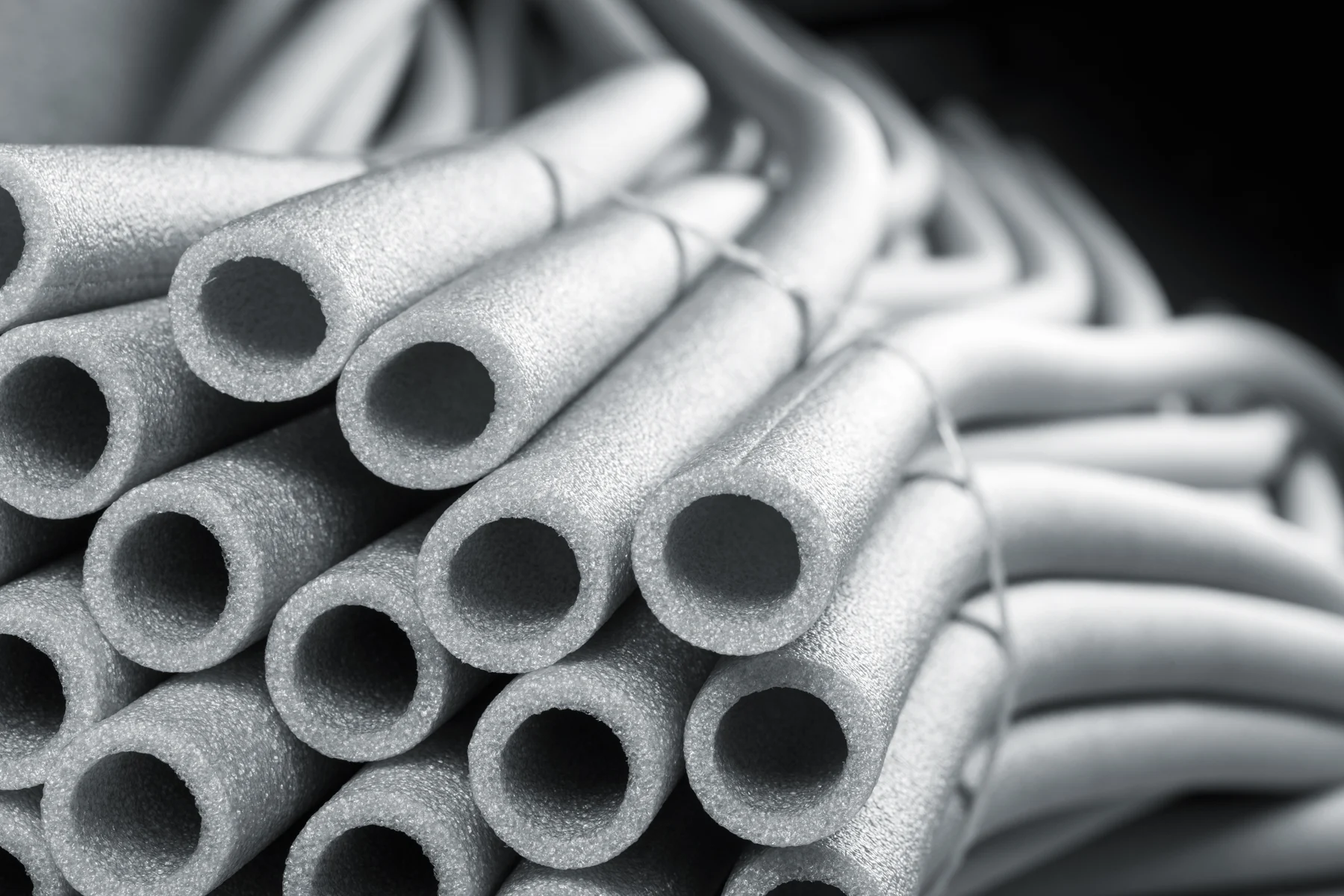
Insulate vulnerable water pipes.
Keep garage doors closed when water lines run through the garage.
During very cold weather, open sink cabinets to help warm air reach plumbing. Keep cleaning products safely away from children and pets.
Arrange for someone to check your home and heating system when you travel.
The American Red Cross recommends leaving the heat on at no lower than 55°F when away during cold weather. That is general prevention guidance, not a guarantee that every pipe will stay warm or that a policy’s conditions have been satisfied. Your home may need additional precautions. Never use an open flame to thaw a pipe.
Review the details before winter
For a broader explanation of leaks, backups, and other water losses, read “Does Homeowners Insurance Cover Water Damage?”
Sonon Insurance can help you review your home insurance and identify questions to resolve before you travel or close up a seasonal home. A conversation now can help you understand both your coverage and your responsibilities.
Coverage varies by policy, insurer, state, and circumstances. This article provides general information, not a coverage determination.
Helpful resources
Coverage, eligibility, and plan terms vary by carrier and state. This article is general information, not a promise of coverage or individualized financial advice.