The difference in one sentence
Personal auto insurance is designed primarily for individuals and household driving, while commercial auto insurance is designed for vehicles and liability exposures connected to a business. The vehicle itself does not decide the issue: a pickup truck can be insured personally in one situation and commercially in another.
Ownership, registration, who drives, how the vehicle is used, where it travels, what it carries, and whether people or goods are transported for compensation all matter. A personal policy may allow limited incidental business use, but it can exclude or restrict delivery, livery, regular job-site use, hauling equipment, or vehicles owned by a business.
Do not wait for a claim to discover the distinction. Describe the complete use to your agent or insurer and obtain confirmation that the policy is written for the actual exposure.
When a personal auto policy may still fit
A personal policy may remain appropriate when an individually owned vehicle is used mainly for ordinary household driving and commuting, with only occasional incidental business activity allowed by the insurer. Examples might include driving to a meeting, visiting an office, or carrying a laptop and samples—depending on the policy and carrier rules.
Commuting to one regular workplace is generally different from traveling among customer locations or job sites throughout the day. Even seemingly light business use should be disclosed because occupation, annual mileage, radius, equipment, delivery activity, and who reimburses the driver can affect classification.
An endorsement or different personal-auto rating may address some uses. Other operations require a commercial policy. There is no universal number of business trips that automatically settles the question.
Signs you may need commercial auto insurance
Commercial auto should be reviewed when a company owns, leases, or registers the vehicle; employees or non-household drivers regularly operate it; the vehicle carries tools, equipment, inventory, or products; it travels between job sites; it makes deliveries; or it transports customers or passengers for compensation.
Other indicators include permanently installed equipment, commercial plates, business branding, trailers used for work, snowplowing, landscaping, contracting, mobile services, courier activity, food delivery, or a vehicle larger or heavier than personal-policy guidelines allow.
A lender, lease, customer contract, motor-carrier regulator, or property owner may also require commercial coverage and specified limits. Tell the insurer about the full operation rather than relying on the business name printed on a certificate.
How commercial auto coverage is structured
Commercial auto policies can provide liability for covered bodily injury and property damage, along with selected physical-damage coverage for owned vehicles. Options may include collision, comprehensive, medical payments or personal injury protection where applicable, uninsured or underinsured motorist coverage, towing, rental or substitute vehicles, and other endorsements.
A business auto policy uses covered-auto symbols or equivalent wording to define which autos qualify for each coverage. Owned autos, specifically described autos, hired autos, and non-owned autos are not interchangeable categories. The declarations and endorsements must match the vehicles and use.
Commercial policies often offer limits and features designed for business exposure, but they do not automatically cover every vehicle, driver, trailer, cargo, tool, employee, or contract. Review those items separately.
Owned, hired, and non-owned autos
Owned autos are vehicles titled or leased long-term to the business and listed or otherwise qualifying under the policy's covered-auto terms. Hired autos generally include eligible vehicles the business rents, hires, leases, or borrows, subject to policy definitions. Non-owned autos commonly include eligible vehicles the business does not own, hire, or borrow, such as an employee's personal car used for a company errand.
Hired and non-owned auto liability can protect the business when it is legally responsible for a covered accident. It generally does not replace the vehicle owner's insurance or automatically pay for physical damage to an employee's car. Hired-auto physical damage may be available separately for eligible rentals.
Businesses should set driver standards, review motor-vehicle records where permitted, establish safe-driving and phone-use rules, and confirm that employees using personal vehicles maintain adequate personal insurance.
Tools, equipment, and cargo need separate attention
Commercial auto physical-damage coverage protects an eligible insured vehicle; it does not automatically insure every tool, product, or piece of equipment inside it. Contractor tools, customer property, inventory, food, materials, mobile equipment, and cargo may require inland marine, installation floater, motor truck cargo, property, spoilage, or other specialized coverage.
Permanently attached equipment such as lifts, cranes, refrigeration units, generators, racks, or custom bodies must be described and valued accurately. Trailers may need to be scheduled, and liability or physical-damage treatment can depend on ownership, size, and use.
Keep an equipment inventory with photographs, serial numbers, replacement costs, and storage locations. Confirm how overnight theft, unlocked vehicles, unattended property, and property at a job site are treated.
A business-owned vehicle should not sit on a personal policy
When a corporation, LLC, partnership, or other organization owns or leases a vehicle, that entity generally should be identified correctly on a commercial policy. Listing only the individual owner can create problems involving insurable interest, registration, contracts, permissive use, claim payments, and protection for the business.
Adding a business name as an additional interest on a personal policy is not necessarily the same as insuring the entity as the named insured under commercial coverage. Likewise, forming an LLC does not convert a personal policy into business insurance.
Coordinate the titled owner, registrant, named insured, lender or lessor, garaging address, and operating business. Discuss personally owned vehicles regularly used by the business and company vehicles available for personal use by owners or employees.
Commercial auto does not replace every other policy
Commercial general liability commonly excludes injury or damage arising from the ownership, maintenance, or use of most autos, which is why commercial auto coverage is important. But a business auto policy still does not replace workers' compensation, general liability, umbrella, cargo, inland marine, cyber, or employment practices coverage.
An employee injured in a work-related crash may implicate workers' compensation. Tools stolen from a truck may belong under inland marine. A large liability claim may exceed the auto limit and require a commercial umbrella written over an eligible underlying policy.
Review policies as a coordinated program. Limits, named insureds, vehicle schedules, and policy periods should align, especially when an umbrella, contract, or motor-carrier filing depends on the auto policy.
Questions to answer before requesting a quote
Prepare the legal business name, ownership structure, addresses, operating states, years in business, and a clear description of operations. For each vehicle, provide the VIN, title and registration owner, cost new, current value, garaging location, radius, annual mileage, use, attached equipment, trailers, and whether it crosses state lines.
List every driver, including owners, employees, household members with access, and anyone who regularly borrows a vehicle. Disclose delivery, rideshare, passenger transportation, hazardous materials, towing, snowplowing, rental, subcontractor use, employee-owned vehicles, and personal use of company autos.
Supply current policy declarations, loss runs when available, contracts requiring insurance, and any DOT, PUC, or other regulatory numbers. Accurate information helps avoid a quote that looks inexpensive only because it does not reflect the operation.
Review coverage before the use changes
Contact your agent before buying or titling a vehicle in the business name, hiring a driver, starting delivery, adding a trailer, crossing state lines, signing a new contract, attaching specialized equipment, or allowing employees to take vehicles home. Midterm changes can affect eligibility and coverage.
After an accident, protect people first, contact emergency services when needed, follow reporting requirements, photograph the scene and vehicles safely, exchange information, and notify the insurer promptly. Preserve driver logs, dispatch records, app data, telematics, dash-camera files, maintenance records, and relevant contracts.
Sonon Insurance can compare personal and commercial auto options alongside your business coverage so the policy reflects who owns the vehicle and how it is actually used.
Personal auto vs. commercial auto at a glance
This comparison highlights common differences. Carrier rules, state requirements, vehicle types, and policy wording control the actual result.
| Question | Personal auto | Commercial auto |
|---|---|---|
| Who owns the vehicle? | Usually an individual or household member | Often a corporation, LLC, partnership, sole proprietor, or other business |
| How is it used? | Personal driving, commuting, and permitted incidental business use | Job sites, service calls, deliveries, hauling, passenger transport, or regular business operations |
| Who drives? | Named insureds, household members, and permitted drivers under policy terms | Owners, employees, listed drivers, and other permitted operators under commercial terms |
| Which vehicles qualify? | Private passenger autos and eligible light trucks within carrier rules | Business-owned autos, work trucks, vans, larger vehicles, fleets, and certain specialized units |
| Are hired and non-owned autos included? | Limited non-owned or rental provisions may apply to the insured individual | Can be selected to protect the business's liability for eligible rented or employee-owned autos |
| Are tools and cargo covered? | Business property is commonly limited or excluded | Still usually requires separate property, inland marine, or cargo coverage |
| What limits are available? | Limits designed for household liability exposure | Often offers higher limits and can support a qualifying commercial umbrella |
Frequently asked questions
Can I use my personal vehicle for business?
Possibly, when the insurer permits the specific use and the vehicle remains eligible. Occasional incidental use differs from delivery, livery, hauling, regular job-site travel, or a vehicle owned by the business. Disclose the complete use before relying on the policy.
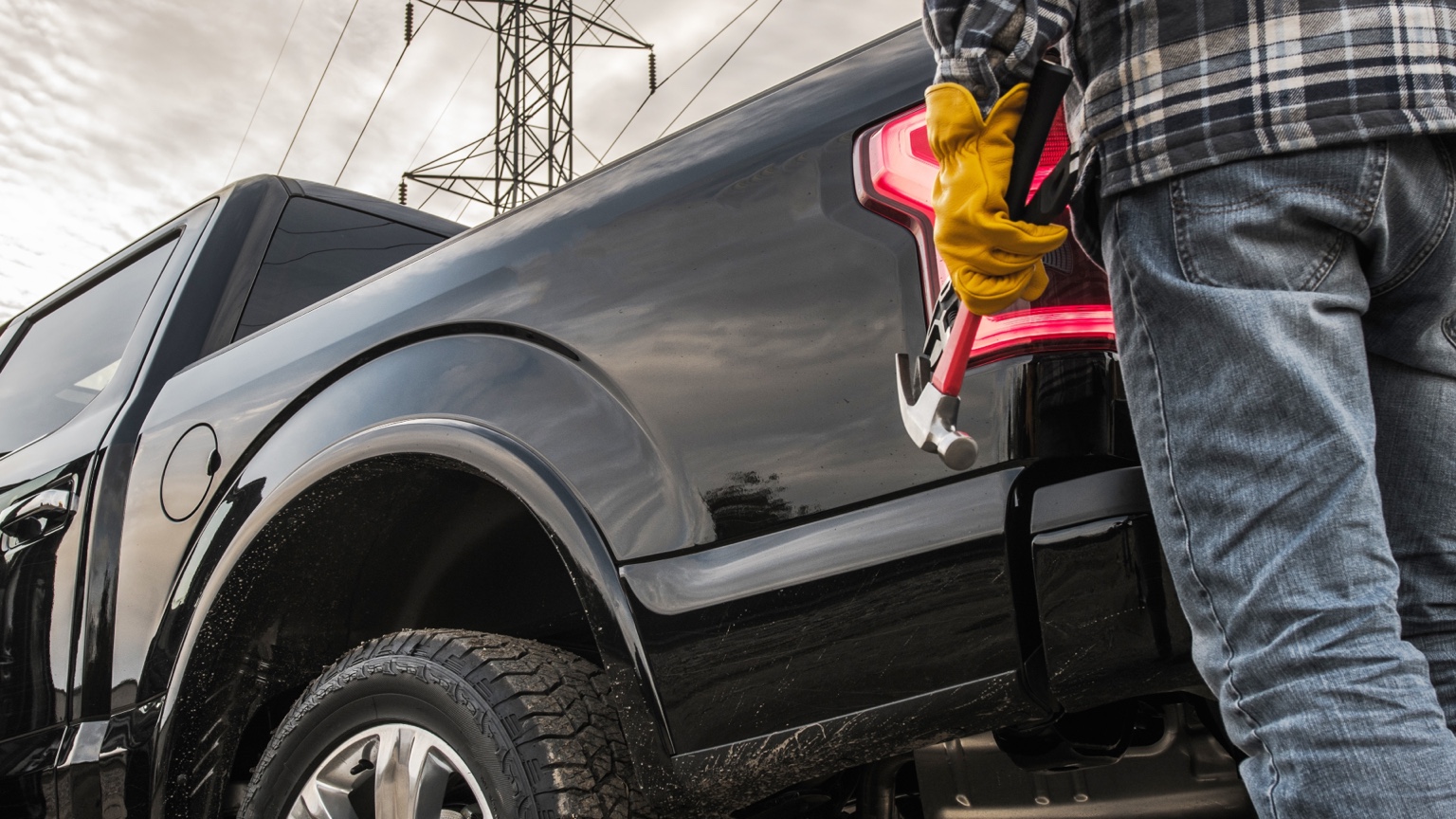
Do I need commercial auto insurance for a pickup truck?
Not simply because it is a pickup. Ownership, drivers, business use, equipment, hauling, radius, vehicle size, and carrier rules determine whether personal or commercial coverage is appropriate.
Does an LLC need commercial auto insurance?
If the LLC owns, leases, or regularly uses vehicles, commercial auto should be reviewed. The entity should be correctly identified, and personally owned vehicles used for company business may create hired or non-owned auto needs.
Does personal auto insurance cover delivery driving?
Many personal policies exclude or restrict delivery and other business use. Some insurers offer endorsements or specialized programs. Confirm coverage for the exact platform, goods, and stage of delivery before driving.
What is hired and non-owned auto insurance?
It generally protects a business's liability interest for eligible vehicles it rents, hires, borrows, or does not own, such as employee cars used for work. It does not automatically replace the owner's policy or cover physical damage to every vehicle.
Does commercial auto cover tools stolen from a truck?
Usually not under vehicle physical-damage coverage alone. Tools, inventory, and equipment may require inland marine, commercial property, cargo, or another specialized policy or endorsement.
Helpful resources
- NAIC: Personal and business auto insurance differences
- NAIC: Small business vehicle insurance considerations
- NAIC: Rideshare insurance and potential coverage gaps
- Pennsylvania Insurance Department: Auto insurance
- FMCSA: Do I need a USDOT number?
- What insurance does a small business need?
- Explore business insurance
- Explore personal auto insurance
- Request a commercial auto review
Coverage, eligibility, and plan terms vary by carrier and state. This article is general information, not a promise of coverage or individualized financial advice.